
For landlords
Renting out your property in the Netherlands: the complete guide
Renting out a home in the Netherlands changed a lot in 2024. This guide walks you through the decisions that matter — from choosing a contract to meeting your legal duties — and points you to the detail when you need it.
Key takeaways
- Since 1 July 2024, an indefinite contract is the default and temporary rental is tightly restricted.
- The right contract depends on whether you might need your home back — types A, B and C each fit a different plan.
- Safety duties are non-negotiable: working smoke detectors and a valid energy label before a tenant moves in.
- Renting to internationals keeps turnover predictable without locking you in for the long term.
Letting a property in the Netherlands can be straightforward and rewarding — but only if you start from the right contract and meet your legal duties. The rules tightened significantly in 2024, so a plan that worked two years ago may no longer be allowed. This guide gives you the full picture and links to deeper articles for each step.
1. Decide how much you want to do yourself
Renting out a home is more than finding a tenant. It means pricing the property correctly, presenting it well, screening applicants, drafting a compliant contract, documenting the handover and handling questions once someone moves in. You can do this yourself, or have Balatin handle the parts you would rather not.
For a step-by-step view of the whole process — from valuation to signing — read how to rent out your property to expats in Amsterdam.
2. Choose the right rental contract
The contract is the single most important decision, because Dutch tenants can build up the right to stay in your property. Pick the wrong one and you may not get your home back when you need it. There are three contracts to know:
- Type A — indefinite. The standard again since 1 July 2024, usually with an agreed initial period during which the tenant cannot leave.
- Type B — definite (temporary). Now allowed only for a small set of specific tenant groups.
- Type C — intermediate rental. For owners who go abroad and intend to return to the property.
Each has its own notice periods and conditions. Compare them in which rental contract is right for your property?
3. Understand the 2024 rules
Two changes reshaped the market: indefinite contracts became the default, and rules around regulated rent expanded into the mid-rental segment. Both affect what you can charge and how long a tenant can stay. The full breakdown is in the new 2024 rules for renting out your property.
If you only need to let your home for a while, check what temporary rental still allows in temporary rental: what's still possible.
4. Meet your legal and safety duties
Some obligations apply to every let, regardless of contract. You are responsible for the property's safety and for treating applicants fairly. Two duties catch landlords out most often:
- Smoke detectors have been mandatory in all homes since 1 July 2022 — see the smoke detector rules for landlords.
- A valid energy label must be in place before you advertise.
For the wider set of obligations — from deposits to fair selection — read the rules and regulations for renting out your property.
5. Know the difference between long-term and short-stay
Short-stay letting through platforms like Airbnb is governed by separate, strict municipal rules, with night caps, permits and fines. If you have considered it, read Airbnb in Amsterdam: rules, permits and limits first. Balatin focuses on long-term rental, which is simpler to run and gives you steady, predictable income.
Where to start
If you are new to letting, begin with the process overview, then choose your contract. If you already rent out and want to check you are compliant, start with the 2024 rules and your safety duties. When you are ready, Balatin can value your property, prepare a compliant listing and connect you with verified tenants.
In this guide
Go deeper on each step with these detailed articles.
How to rent out your property to expats in Amsterdam
A step-by-step guide to renting out a house, apartment or studio in Amsterdam, from setting the rent to the check-in, plus the rules that apply.
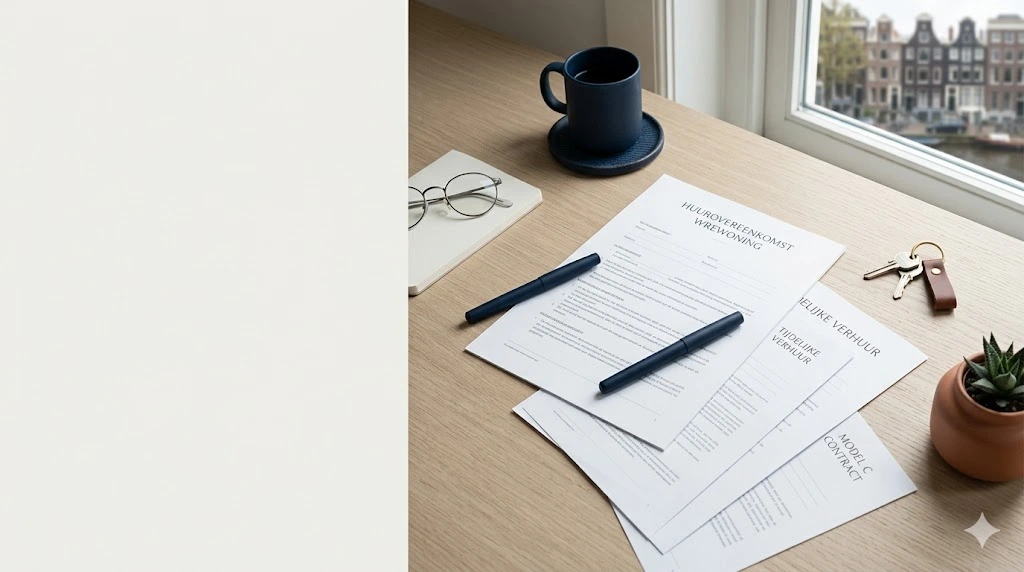
Which rental contract is right for your property? (Types A, B & C)
Dutch tenants can build up tenancy rights to your home. Compare contract types A, B and C, and the 2024 rules, to keep control of your property.

Renting out your property: the new 2024 rules
Two laws changed Dutch renting on 1 July 2024: a ban on temporary contracts and an expanded points system that caps mid-segment rents.
Temporary rental in the Netherlands: what's still possible
Since the Fixed Rental Contracts Act of 1 July 2024, fixed-term leases are limited. Here are the exceptions that still let you rent out temporarily.
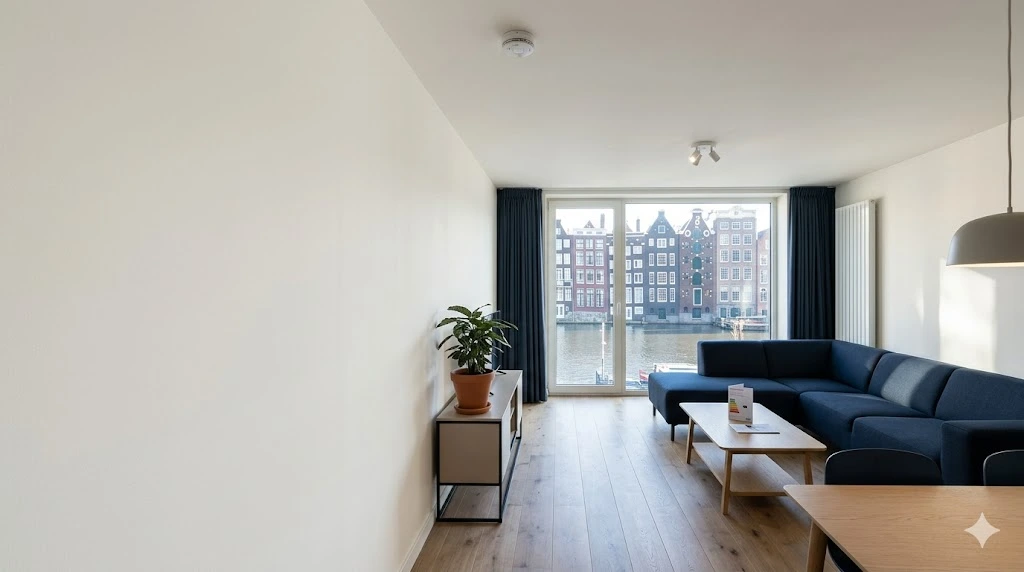
Rules and regulations for renting out your property
Dutch rental law for landlords: rent protection, contract types, rent caps under the points system, allowed increases, energy labels and smoke detectors.
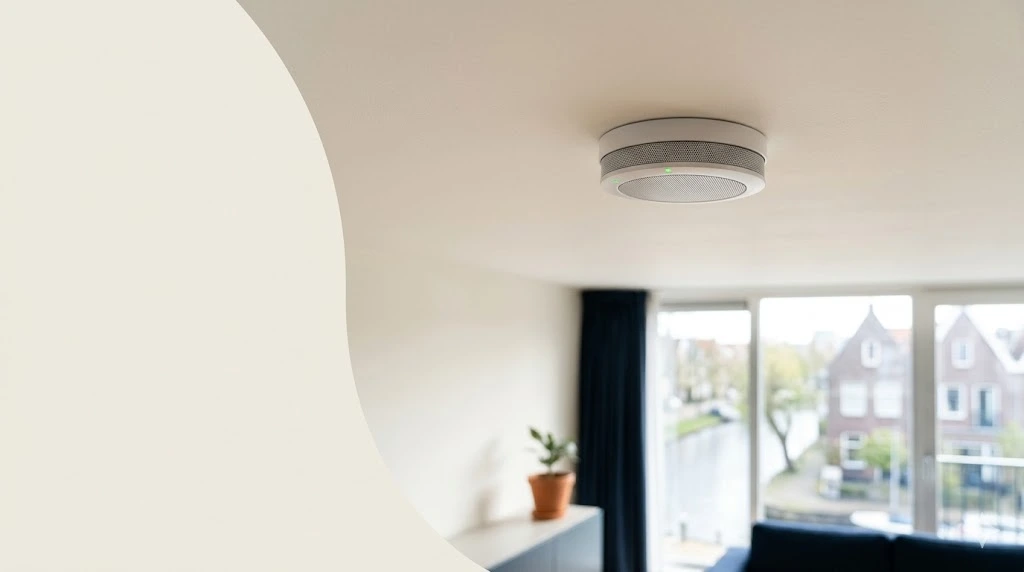
Are smoke detectors mandatory? The Dutch rules for landlords
Smoke detectors have been mandatory in every Dutch home since 1 July 2022. Here is what landlords must install, where, and who is responsible.
Airbnb in Amsterdam: rules, permits and limits
Amsterdam caps Airbnb at 30 nights a year and demands a permit, registration number and tax filing. Here is what applies before you list.
Rent out with confidence
Reach verified international tenants and stay informed from listing to checkout.
Keep reading
How to rent out your property to expats in Amsterdam
A step-by-step guide to renting out a house, apartment or studio in Amsterdam, from setting the rent to the check-in, plus the rules that apply.
Which rental contract is right for your property? (Types A, B & C)
Dutch tenants can build up tenancy rights to your home. Compare contract types A, B and C, and the 2024 rules, to keep control of your property.
Renting out your property: the new 2024 rules
Two laws changed Dutch renting on 1 July 2024: a ban on temporary contracts and an expanded points system that caps mid-segment rents.