
For tenants
Renting a home in the Netherlands: a guide for internationals
New to renting in the Netherlands? This guide explains how the process works, what to check before you sign, and the rights that protect you once you move in.
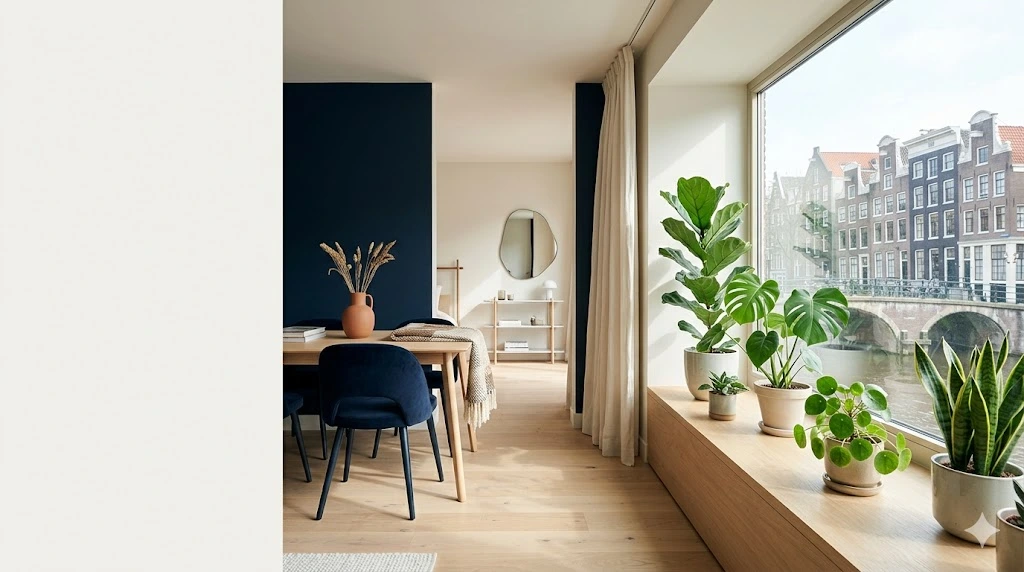
Key takeaways
- Use verified listings and never pay a deposit before you have seen the property and signed a contract.
- Read the contract carefully — type, term and notice period decide how long you can stay and how you leave.
- If you pay rent monthly, your notice period is usually one calendar month, whatever the contract says.
- Register at your address with the municipality soon after you move in.
Finding a home in a new country is one of the hardest parts of moving. The Dutch rental market moves fast, listings can be in short supply, and the paperwork is unfamiliar. This guide walks you through how renting works here, so you can act quickly and avoid the common pitfalls.
1. Search the right way
Start with verified listings that show a clear monthly price, the available date and the neighbourhood. On Balatin, every home is checked for quality, legality and safety before it goes live, so you spend your time on real options rather than chasing dead ends.
2. Book a viewing and apply
When you find a home you like, send an enquiry straight from its listing. Because demand is high, have your documents ready — proof of income or an employment contract, identification and, where relevant, an employer's statement. Being prepared often makes the difference between securing a home and missing it.
3. Understand your contract before you sign
Your contract sets out the rent, the deposit, what is included (such as utilities or furniture) and how the tenancy can end. The contract type and term decide how long you can stay. If you would like to understand the different Dutch contract types, our guide to rental contracts explains them in plain language.
Check what the rent covers, when and how it can be increased, and what happens to your deposit at the end. If anything is unclear, ask before you sign.
4. Know your rights as a tenant
Dutch law gives tenants strong protection. A few essentials:
- Notice. If you pay rent monthly, you can usually end the contract with one calendar month's notice — even if the contract states otherwise.
- Privacy. Your landlord keeps a right of access but cannot enter unannounced; they must give notice and wait to be let in.
- Repairs. Major maintenance and serious defects are the landlord's responsibility; small day-to-day upkeep is usually yours.
For more detail on notice periods, deposits, repairs and ending a tenancy, see the frequently asked questions.
5. After you move in
Register at your new address with the municipality (the gemeente) soon after moving — you will need it for almost everything, from a bank account to health insurance. Keep a copy of your signed contract and the move-in inspection, and report any issues to your landlord in writing so there is a clear record.
Ready to find your home?
Browse verified rentals across the Netherlands and send your first enquiry today. If you have questions along the way, our help and FAQ covers the most common ones.
Find your home with Balatin
Browse verified rentals across the Netherlands and enquire in one place.
Keep reading
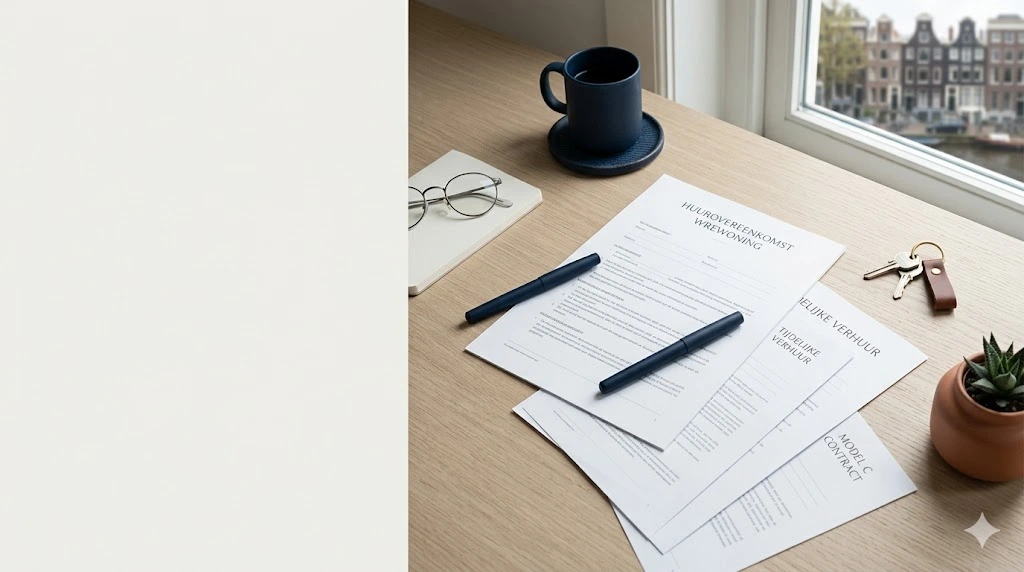
Which rental contract is right for your property? (Types A, B & C)
Dutch tenants can build up tenancy rights to your home. Compare contract types A, B and C, and the 2024 rules, to keep control of your property.
Renting out your property in the Netherlands: the complete guide
Everything a landlord needs to rent out a home in the Netherlands — contracts, the 2024 rules, legal duties, safety and finding the right tenant.